
Truck Accident Lawyer
Texas truck accident cases built to preserve the records, expose the company behind the driver and stop the trucking side from cleaning up the file before you even know the full injury.
- Free Consultation
- No Fee Unless We Win
- Help With Truck Wreck Claims







This Is Not a Bigger Car Wreck
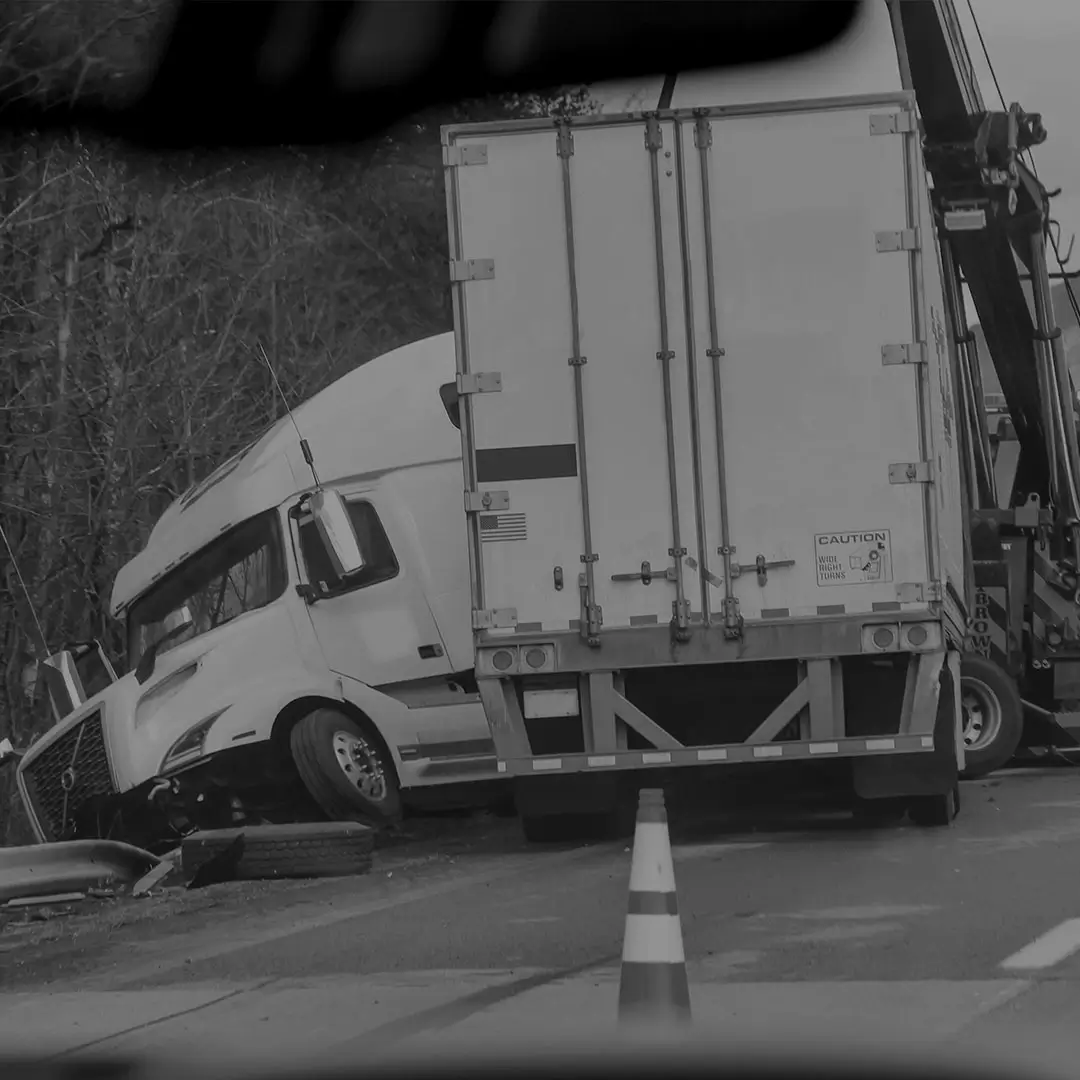
A truck wreck is different from the start.
The driver calls dispatch. Dispatch calls the carrier. The carrier calls insurance. Insurance gets a defense team moving. Someone starts collecting records, taking photos, checking the truck, talking to the driver and deciding what the company’s version will be.
You may still be in the ER.
That is the problem with truck cases. The trucking side knows what matters before most injured people even know what to ask for. Driver logs. Phone data. Dispatch messages. Maintenance records. Inspection reports. Load documents. Black box data. Repair history. Company safety policies. Those records do not get easier to find with time. They get overwritten, repaired, edited, misplaced or explained away.
Malley Law handles truck accident cases across Texas involving 18-wheelers, tractor-trailers, commercial trucks, delivery vehicles and company drivers. These cases are built with records, not guesses. Free consultation. No fee unless we win.
What to Do Before the Trucking Company Gets Ahead of You
- Call Malley Law early. Truck cases move fast on the defense side. Evidence can disappear quickly if no one forces the carrier to preserve it.
- Save everything you have. Photos, police reports, medical records, tow records, insurance letters, repair estimates, witness names, discharge papers, prescriptions, work notes, texts and emails. Keep the paper trail together.
- Write down what you remember. Where the truck was. What lane it was in. Whether it drifted, sped, braked late, jackknifed, swerved or hit stopped traffic. What the driver said. What witnesses said. Do it before the details get buried under pain, bills and phone calls.
- Do not talk freely with the trucking insurer. They are not just “checking on the claim.” They are building a defense. Recorded statements, medical releases and quick offers can all be used to cut the case down.
- Do not let them make it only about the driver. The driver matters, but the company may matter more. Dispatch pressure, maintenance failures, bad hiring, poor training and unsafe scheduling can all belong in the case.
No FeeUnless We Win
Statewide Representation
$100+ MillionRecovered*
When the Company Starts Protecting Itself
A commercial truck crash usually has a company behind it. Sometimes several.
The carrier. The broker. The maintenance shop. The loading company. The trailer owner. The shipper. The insurer. Everyone has a reason to make the wreck sound like one driver made one mistake in one bad moment.
Maybe that is true. Often it is not.
Truck wrecks can start hours or days before impact. A driver pushed too long. A load secured wrong. Brakes ignored. Tires kept on the road too long. A delivery window that only works if the driver cuts corners. A safety policy that looks good on paper and means nothing in practice.
That is why the records matter. Malley Law looks at the wreck, but he also looks upstream. Who put that truck on the road? Who knew the schedule was tight? Who ignored the maintenance issue? Who signed off on the load? Who benefited from pushing it?
If the trucking company’s version only works because the records are still in its hands, we start pulling them out.
Types of Truck Accident Claims
18-Wheeler Accidents
When a commercial rig causes damage a passenger car cannot absorb.
An 18-wheeler wreck brings weight, force and a defense operation. These cases often involve black box data, driver logs, company records, maintenance files and multiple insurance policies. Tony moves early to preserve what the carrier would rather control.
Fatigued Truck Drivers
When the driver was awake, but not alert.
Fatigue does not always look like someone falling asleep. It can show up as late braking, drifting lanes, missed traffic, bad turns and slow reactions. Driver logs, dispatch windows, fuel receipts, messages and route timing can show whether the schedule pushed the driver past safe limits.
Distracted Truck Drivers
When a phone, screen or device took over the cab.
A distracted truck driver is not dealing with a small mistake. A truck needs time and distance to react. If the driver was texting, using GPS, checking messages or looking away, phone records and timing can matter. Denials are common. Data is better.
Driver Log Violations
When the paperwork does not match the road.
Driver logs are supposed to show driving time, rest time and whether the driver was operating within legal limits. But logs can be edited, cleaned up or contradicted by fuel receipts, toll records, GPS data and delivery timing. When the logbook does not match reality, that matters.
Unsafe Dispatch Pressure
When the crash started with an impossible schedule.
Some truck wrecks begin in an office. A delivery window gets promised. The route is too tight. The driver is expected to make it work. If the schedule only made sense with speeding, skipped rest or unsafe driving, the company’s role needs to be exposed.
Improper Loading
When cargo changed how the truck moved.
Cargo is not background. A bad load can affect braking, turning, stability and control. If cargo was unsecured, unbalanced or loaded beyond safe limits, the case may involve the shipper, loader, driver, carrier or another company that touched the freight.
Mechanical Defects
When the truck should not have been on the road.
Brakes wear out. Tires fail. Lights stop working. Coupling systems, steering components and safety equipment need inspection and repair. Mechanical defect cases depend on preserving the truck and trailer before parts get replaced and the story gets cleaner.
Jackknife Accidents
When the truck loses control across lanes.
A jackknife can point to speed, braking, road conditions, driver error, bad tires, poor maintenance or load problems. These crashes can sweep through traffic before anyone has time to react. The investigation needs to look at more than the final position of the truck.
Underride and Override Crashes
When the wreck becomes catastrophic fast.
Underride and override crashes are among the worst truck accident cases. They often involve severe injury or death, and the defense may still try to call the crash unavoidable. Trailer configuration, lighting, visibility, braking, speed, guards and crash dynamics all matter.
Truck Accident Insurance Claims
When multiple insurers make the case harder on purpose.
Truck cases can involve layered coverage, multiple companies and finger-pointing built into the claim from the start. A quick offer may look helpful. It is usually strategy. Tony can identify the available coverage and keep the claim from being boxed into a number before the damage is known.
What Families Need to Know About Truck Accident Claims
- Why are truck accident cases different from car accident cases?
Truck accidents are commercial cases. They may involve a driver, carrier, broker, maintenance company, shipper, loader, trailer owner and multiple insurance companies. The records are deeper, the injuries are often worse and the defense starts early. - What should I do after being hit by an 18-wheeler?
Get medical care, report the crash, take photos if you can, get witness names and save every document. Then call Malley Law before speaking freely with the trucking insurer or signing anything. - What records matter most in a truck accident case?
Key records may include driver logs, black box data, inspection reports, maintenance files, dispatch messages, phone records, load documents, bills of lading, fuel receipts, GPS data, company safety policies, repair records and the police report. - What is black box data in a truck accident?
Many commercial trucks have electronic data that can show speed, braking, engine activity and other information around the crash. That data may be overwritten or lost if it is not preserved quickly. - What if the truck driver says I caused the crash?
Do not accept that as the final word. Fault can be tested through truck data, photos, witness statements, vehicle damage, camera footage, driver logs, phone records and reconstruction when needed. - What if the truck driver was tired?
Fatigue can often be tested through driver logs, dispatch records, delivery schedules, fuel receipts, GPS data and messages. A driver does not have to admit they were tired for the records to show they were pushed too far. - Can the trucking company be responsible?
Yes. The company may be responsible for unsafe scheduling, poor hiring, bad training, maintenance failures, log violations, negligent supervision or putting an unsafe driver or truck on the road. - What if the crash involved cargo problems?
Improper loading, unsecured cargo or overloaded trailers can make a truck harder to stop, steer or control. Load records, weight tickets, bills of lading and inspection documents can help show who was responsible. - Should I talk to the trucking company’s insurance adjuster?
Not before talking to us. Trucking insurers are protecting a commercial defendant. Recorded statements, medical releases and early settlement offers can be used to limit the case. - What can I recover after a truck accident?
Depending on the case, recovery may include medical bills, future care, lost wages, loss of earning ability, pain, physical impairment, disfigurement, property damage and the long-term losses caused by the wreck.
Truck Accident Case Results
A repossession tow-truck drove off with our client's vehicle as she walked up to retrieve her belongings — and she was dragged and run over
A commercial delivery truck pulled out of an industrial driveway and into our client's path on a 50-mph roadway — and she was seriously injured
A Baires Ready Mix concrete truck pulled out in front of Alyssa Cogar on Highway 105 — and she was killed
What Clients Say
If You're Involved In An Auto Accident, Call Malley Law
Talk to Tony
Tell us what happened. We’ll review your case and call you back. No obligation.
100% Free Consultation · No Fee Unless We Win